
Dreaming about someone you love getting hurt can be incredibly distressing. However, it is important not to take the violent imagery literally. Dreams speak in symbols, so harm likely represents something metaphorical. By analyzing the context, emotions evoked, and real-life connections, you can uncover the underlying meaning and message. This guides constructive self-reflection and personal growth.
This article explores common interpretations of when loved ones are harmed in dreams. It covers how the subconscious mind uses dreams symbolically to express suppressed emotions, inner conflicts and desires for change. We examine how to understand dream violence psychologically and spiritually. The various implications of killing different types of characters are explained. Symbolism related to hiding the body is analyzed. How dreams connect to real-life situations and relationships is discussed.
Additionally, the emotional impact of such dreams is addressed. Coping with the initial disturbance and searching for dream insight are covered. The importance of recognizing dreams as an inner process unconnected to real-life aggression is emphasized throughout. This can allow transforming even disturbing dreams into tools for self-awareness and awakening.

Understanding the Dream Context
Dreams are highly symbolic in nature and often represent the subconscious mind’s way of communicating thoughts, feelings, desires or fears that have been suppressed or are not easily expressed during waking life.
When analyzing dreams, it is important to consider the full context – the dream storyline, symbols, your emotional reaction upon awakening, and real-life situations that may have triggered the dream. Exploring these elements can provide greater insight into the dream’s significance.
The Distinction Between Reality and Dreams
While dreams may feel strikingly real and vivid, it is important to separate any destructive or violent imagery from real-life intentions. Dreams allow people to safely experience intense emotions and work through stressors, relationship issues, or personal dilemmas without bearing consequences.
Any acts of aggression in dreams should not be equated with conscious thoughts or desires. However, the underlying emotions revealed can provide valuable self-knowledge if analyzed constructively.

How the subconscious mind uses dreams as a medium of expression
Dreams serve as a window into the subconscious mind and its preoccupations. While awake, people censor their thoughts and impulses – in dreams, anything goes.
Repressed emotions, hidden fears, and even enticing fantasies can emerge undisguised. Dreaming allows the expression of unconscious material in a safe environment. Understanding this content leads to increased self-awareness.
The difference between real-life intentions and dream symbolism
Actions or events in dreams often dramatize emotions or inner conflicts rather than represent literal intentions or outcomes. For instance, killing someone in a dream does not imply one wishes them harm. Instead, it could symbolize a desire to eliminate certain traits they represent within oneself or in the relationship.
Dreams employ metaphors through symbolic characters, settings and situations to convey inner dilemmas.
Emotional Impact of Such Dreams
The initial shock and distress
Dreams involving harm to loved ones naturally cause shock, distress and confusion upon awakening. They contradict conscious feelings of affection and the desire to protect those individuals.
However, remembering the symbolic nature of dreams can provide some initial comfort. The violent imagery likely represents something else entirely.
The search for meaning and understanding
Beyond the initial disturbance, a dream involving harm can motivate self-examination. One may analyze the dream context, relationships with the characters involved in recent life events or inner turmoil for clues into the dream’s significance.
Dreams reflect current preoccupations – exploring them leads to self-awareness. Even disturbing imagery carries valuable psychological insights.
Spiritual Interpretation of Killing in Dreams
The Dual Nature of Killing in Dreams
Killing as an act of destruction
In spiritual or mythological terms, killing represents the end of one mode of being and destroying obstacles to moving forward.
This can symbolize sacrificing outdated versions of oneself to allow growth and maturation. It relates to radical change, transformation and steps toward enlightenment. Death of the ego makes room for higher states of being.
Killing as a symbol of personal transformation or rebirth
Alternately, killing someone or being killed in a dream may indicate a symbolic death of old habits, relationships or ways of thinking to make way for rebirth and a new life phase. Endings allow new beginnings.
Dream murder often relates to drastic changes in attitudes or lifestyles and a renewed commitment to psychological or spiritual development.
Dreams Reflecting Inner Desires
The plea to change or eliminate a part of one’s personality
Dreaming of killing or hurting loved ones can point to aspects of oneself that feel unacceptable. People may Harbor feelings of self-judgment, anger or disappointment directed inwardly.
Dreams dramatize the struggle between self-love and self-condemnation. Killing represents disowning or destroying parts judged to be undesirable or threatening to positive self-regard.
The subconscious mind’s way of highlighting areas of personal growth
Harming dream characters also reveals one’s perceptions about those individuals. The traits ascribed may represent underdeveloped aspects of oneself in need of attention. For example, killing a family member perceived as confident and outgoing reflects inadequacies around self-expression. The dream highlights areas for growth and integration of these latent qualities.
Different Scenarios of Killing in Dreams and Their Implications
Killing an Unknown Person
The symbolism of the “unknown” in dreams
The unknown assailant represents uncertainty about oneself, one’s environment or situations. The dreamer feels threatened by unfamiliar elements, whether internal traits or external events, persons or places. Destroying them symbolizes regaining control but also avoiding reality. Changes or decisions require becoming more comfortable with the unknown.
Addressing feelings of being overwhelmed or facing unknown challenges
Alternately, killing an unknown figure suggests the dreamer feels overwhelmed by new situations or relationships. The insecurity is tied to a lack of experience with novelty, unpredictability or letting go of the familiar.
Again, integrating unfamiliar aspects of life is necessary for growth. This allows for managing life changes skillfully.
Killing a Boss
The power dynamics in professional settings
Killing an authority figure like a boss reveals attitudes about power, control and autonomy. This dream reaction results from feeling subordinate or exploited at work or resenting overbearing authority figures. Assertiveness and conflict resolution can help resolve these power struggles. Reflection can determine if anger is justified or projection-based.
A reflection of one’s desire for autonomy, respect, and recognition
Dreaming of murdering bosses or other authority figures symbolizes the wish to assert oneself and be liberated from repressive individuals. These power figures may represent parental dominance and conditioning, societal pressures or rigid conventional thinking. The dream reflects the need to challenge assumptions, think independently and expand horizons.
Killing a Friend
The complexities of friendships and trust
Killing a friend in a dream points to feelings of betrayal, disappointment and confusion over violations of trust in relationships. Friendships require mutual understanding, honesty and support to thrive. Destructive dreams can motivate candid communication, forgiveness and strengthening bonds through positive shared experiences.
Addressing feelings of betrayal, disappointment, or unresolved conflicts
Harming a friend also indicates unresolved anger about perceived wrongs or pain in the relationship. Respectfully expressing this anger while acknowledging the friendship’s importance can promote understanding and conflict resolution. Reflection can also reveal projections of traits one needs to integrate within oneself into others.
Killing a Family Member
The sacred bond of family and its challenges
Dreams about killing family members are extremely shocking because they contradict conscious values and this profound, sacred bond. Families provide early emotional experiences impacting self-esteem and expectations. Negativity toward family manifests in dreams because people avoid expressing displeasure to protect this bond. The resolution requires openness.
Navigating feelings of anger, resentment, or familial obligations
Killing a relative reveals deep anger or resentment related to family duties, relationships or childhood treatment. Family relationships involve complex emotions both loving and painful. Dreams dramatize this dichotomy. Resolving anger through compassionate communication can heal wounds, establish boundaries and deepen family ties. Forgiveness plays a key role.
Killing Someone You Dislike
The process of emotional healing and letting go
Dreaming of murdering a hated individual signals the need for emotional healing regarding past betrayals or conflicts. Violent dreams provide a safe outlet for anger and vengeance that should not be acted upon in waking life. However, unhealthy attachments to grievances produce bitterness. Forgiveness represents the ultimate letting go, allowing closure.
Understanding the roots of animosity and finding closure
Examining the origins of animosity often reveals projected self-judgment or other distortions behind hatred. The first step in dissolving grudges involves acknowledging one’s own faults. Taking responsibility provides freedom. Compassion follows once judging the enemy dissolves. Peace comes through forgiveness, not harm.
Implications of Hiding the Body in Dreams
The Act of Concealment
The symbolism of burying or hiding emotions
Burying a body represents suppressing difficult emotions or a painful truth instead of constructively processing them. This relates to denial and refusing to face reality. Bringing the buried contents into awareness is imperative for psychological health and integration. The burial site indicates where to look.
Facing or avoiding the consequences of one’s actions in real life
Hiding evidence also symbolizes avoiding responsibility for one’s actions or life circumstances. The dreamer’s choices led to the present situation, yet they hope the truth remains hidden or consequences are averted through deception. Ethical resolution requires honesty, accountability and a new approach guided by wisdom.
The Emotional Aftermath
The guilt, fear, or relief associated with hiding the body in dreams
Burying a body in a dream provokes intense guilt, dread, anxiety or even exhilaration upon awakening. These reflect one’s emotions about the buried content – either the heaviness of living a lie or joy at concealing a perceived liability. Processing the dream leads to resolving these complex feelings and the underlying issue.
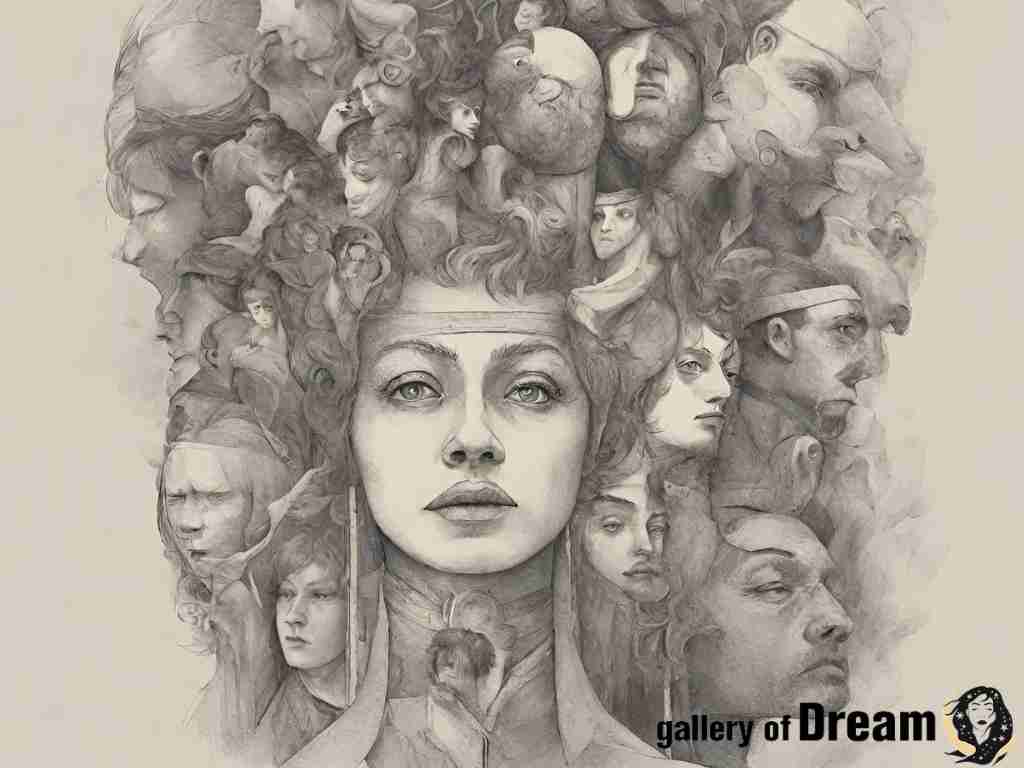
The subconscious mind’s way of prompting self-reflection
Hiding evidence represents the subconscious encouraging acknowledgement of uncomfortable self-knowledge, feelings or memories. Dreams serve as messengers communicating forgotten or repressed material necessary to acknowledge self-realization. Integrating this content, however distressing, fosters development.
Dreams as a Reflection of Real-life Emotions and Situations
The Connection Between Dreams and Suppressed Feelings
How dreams bring to light unresolved issues or suppressed emotions
Dreams dramatically depict emotions or concerns that go unexpressed or unresolved during waking life. They give form to anxieties, anger, sadness, hopes and fears – transforming them into symbolic characters and events. Shining light on this hidden content is the first step in the conscious resolution of inner conflicts.
The therapeutic nature of dreams in processing emotions
By personifying raw emotions into imagery, dreams help process and digest complex feelings. Thinking about dream symbols and their metaphorical meanings facilitates awareness then integration of troublesome emotions consciously. Dreams serve a therapeutic function allowing constructive discharge of suppressed energies.
Addressing Real-life Conflicts
The importance of open communication and seeking resolution
While dreams represent emotions symbolically, correlating dream situations with current life circumstances can reveal problem areas needing attention. If conflict exists with a person appearing in a dream, calm communication with them about differences may be warranted. Seeking solutions leads to more harmonious relationships.
Using dreams as a tool for introspection and personal growth
Examining dream messages also highlights aspects of oneself needing refinement. Exploring the troubling traits symbolized leads to emotional and spiritual growth. Dreams reveal qualities to express more fully or develop through life experiences. They provide a blueprint for realizing one’s highest potential.
The Multifaceted Nature of Dreams
Embracing the non-literal nature of dreams
Dreams speak through metaphorical symbols and archetypes of the collective unconscious. By remembering this veiled language, one avoids overreacting to violent dream imagery or assuming it reflects literal thoughts. With analysis, the underlying message emerges. The dreamer controls how constructively this content integrates.
The significance of dream analysis in understanding oneself
Exploring dreams through writing, discussion with others or professional psychotherapy unveils their mystical truths. The messages provide insight into current life challenges, relationships issues, self-limiting attitudes or untapped potential. Proper interpretation unlocks dreams’ wisdom and capacity for inspiring greater self-awareness.
Final Thoughts
Encouraging readers to view dreams as a window to their subconscious
While disturbing, dreams involving harm remain impersonal symbolic expressions of the subconscious mind. Their violent imagery, properly understood, provides opportunities to resolve inner conflicts and integrate disowned aspects of oneself. Dreams ultimately function as empowering tools for expanded self-awareness and realization of one’s highest truth.
The importance of self-awareness and personal growth
All dreams, even unpleasant ones, contain profound guidance. By bringing the subconscious into conscious awareness, dreams further the quest for self-knowledge. Their messages challenge people to reflect, grow, heal relationships, and actualize their full potential. Dreams represent friends and allies on the path of evolutionary growth.